
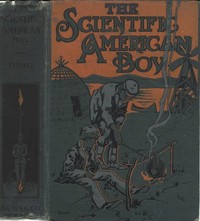
The Scientific American Boy; Or, The Camp at Willow Clump Island by A. Russell Bond
First published in 1905, The Scientific American Boy is a blast from the past that feels surprisingly fresh. It follows a club of boys who, inspired by the pages of Scientific American magazine, decide to spend their summer building a proper camp on Willow Clump Island. The story is their adventure log, detailing how they apply real scientific principles and engineering to survive and thrive in the wild.
The Story
The plot is straightforward and charming. Led by the narrator, Bill, the boys form the "Scientific American Club." Their mission is simple: use knowledge to conquer their summer. There's no evil villain or dark secret. Instead, the drama comes from practical challenges. Can they build a suspension bridge strong enough to cross the creek? Will their homemade diving helmet work? How do they send messages across the island? Chapter by chapter, we see them tackle these problems with plans pulled from the magazine, using basic materials like rope, wood, and tin cans. Their successes and occasional failures make up the heart of the story.
Why You Should Read It
I loved this book for its infectious spirit of can-do ingenuity. These kids aren't superheroes; they're curious, resourceful, and willing to get their hands dirty. Reading it, you get a real sense of the joy of making something work. It's also a wonderful snapshot of a time when hobbies were hands-on and magazines were gateways to big projects. While some of the language and situations are of its era, the core theme—that learning is an adventure—is timeless. It made me look at everyday problems differently.
Final Verdict
This book is a perfect, quick read for anyone who enjoys old-fashioned adventure, DIY projects, or a dose of nostalgia. It's great for younger readers curious about how things work, for adults who appreciate historical youth literature, or for any fan of shows like MythBusters who enjoys seeing theory put into practice. Don't expect a complex thriller; expect a wholesome, clever, and genuinely fun expedition into the power of a good idea and a summer well spent.
This work has been identified as being free of known copyright restrictions. It serves as a testament to our shared literary heritage.
Kimberly Harris
9 months agoThe fonts used are very comfortable for long reading sessions.
Michael Rodriguez
1 year agoFrom the very first page, the narrative structure is incredibly compelling. I will read more from this author.

Sarah Ramirez
1 year agoSimply put, the author's voice is distinct and makes complex topics easy to digest. Highly recommended.